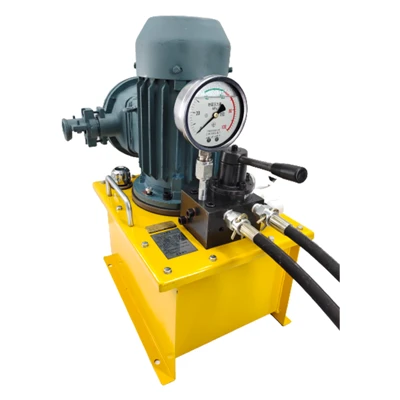
Hey there! As a supplier of Nut Cutters, I often get asked about the energy consumption of these nifty tools. So, let's dive right into it and break down what goes into the energy use of an electric Nut Cutter.
Understanding the Basics of an Electric Nut Cutter
First off, an electric Nut Cutter is a handy device used to cut nuts, bolts, and other fasteners. It's a staple in many industries, from construction to manufacturing. These cutters work by using an electric motor to drive a cutting blade through the nut or bolt. The energy consumption of an electric Nut Cutter depends on several factors, including the power of the motor, the type of cutting blade, and the frequency of use.
Factors Affecting Energy Consumption
Motor Power
The power of the motor is one of the most significant factors influencing energy consumption. A more powerful motor will generally use more energy, but it can also cut through tougher materials more quickly. Most electric Nut Cutters have motors ranging from 500 watts to 2000 watts. A 500-watt motor might be suitable for light-duty tasks, while a 2000-watt motor is better for heavy-duty applications.


Cutting Blade Type
The type of cutting blade also plays a role in energy consumption. A sharp, high-quality blade will require less energy to cut through a nut or bolt than a dull or low-quality blade. This is because a sharp blade can make a clean cut with less force, reducing the workload on the motor. Additionally, different blade materials have different cutting efficiencies. For example, carbide blades are known for their durability and cutting performance, but they may also require more energy to operate compared to steel blades.
Frequency of Use
How often you use the Nut Cutter also affects its energy consumption. If you use it continuously for long periods, it will consume more energy than if you use it sporadically. This is because the motor has to work harder and longer to maintain the cutting operation. To reduce energy consumption, it's a good idea to use the Nut Cutter only when necessary and to give it breaks between uses.
Calculating Energy Consumption
To calculate the energy consumption of an electric Nut Cutter, you need to know the power of the motor (in watts) and the time it's in use (in hours). The formula for calculating energy consumption is:
Energy Consumption (in kilowatt-hours) = Power (in kilowatts) x Time (in hours)
For example, if you have a Nut Cutter with a 1000-watt motor and you use it for 2 hours, the energy consumption would be:
1000 watts = 1 kilowatt
Energy Consumption = 1 kilowatt x 2 hours = 2 kilowatt-hours
Keep in mind that this is a simplified calculation and doesn't take into account factors like motor efficiency or the actual workload on the motor. In real-world scenarios, the energy consumption may be slightly higher or lower depending on these factors.
Energy-Saving Tips
If you're looking to reduce the energy consumption of your electric Nut Cutter, here are some tips:
- Choose the Right Motor Power: Select a Nut Cutter with a motor power that's appropriate for your needs. Don't go for a more powerful motor than you actually need, as this will only increase energy consumption.
- Keep the Blades Sharp: Regularly sharpen or replace the cutting blades to ensure they're in good condition. A sharp blade will require less energy to cut through materials.
- Use the Cutter Wisely: Only use the Nut Cutter when necessary and avoid continuous use for long periods. Give the motor breaks between uses to prevent overheating and reduce energy consumption.
- Maintain the Cutter: Keep the Nut Cutter clean and well-maintained to ensure it operates efficiently. This includes lubricating the moving parts and checking for any loose or damaged components.
Comparing with Other Cutting Equipment
It's also interesting to compare the energy consumption of an electric Nut Cutter with other types of cutting equipment. For example, a Mining Chain Cutter is a heavy-duty cutting tool used in mining operations. These cutters typically have much higher power motors and consume more energy than an electric Nut Cutter. On the other hand, an Electric Rock Splitter is designed to split rocks and may have a different energy consumption profile depending on its size and power.
Another option is a Mining Pneumatic Rock Splitter, which uses compressed air to operate. While these splitters don't consume electricity directly, they do require a compressor to generate the compressed air, which also consumes energy. Finally, a Mining Anchor Cable Cutter is used to cut anchor cables in mining applications and may have its own unique energy consumption characteristics.
Conclusion
In conclusion, the energy consumption of an electric Nut Cutter depends on several factors, including the motor power, cutting blade type, and frequency of use. By understanding these factors and following the energy-saving tips mentioned above, you can reduce the energy consumption of your Nut Cutter and save on electricity costs.
If you're in the market for a Nut Cutter or any other cutting equipment, I encourage you to check out our range of products at Nut Cutter. We offer high-quality, energy-efficient cutting tools that are designed to meet your needs. Feel free to reach out to us for more information or to discuss your specific requirements. We're here to help you make the right choice and get the most out of your cutting equipment.
References
- General knowledge about electric tools and energy consumption.
- Industry standards and specifications for Nut Cutters and other cutting equipment.