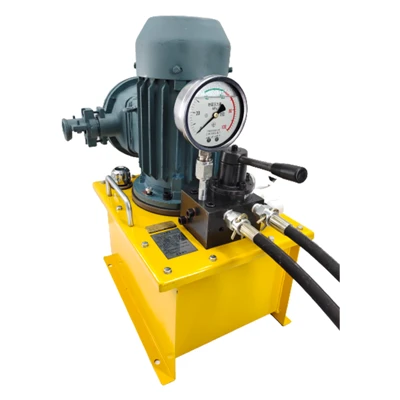
Hey there! As a supplier of Pneumatic Roof Bolters, I often get asked about the weight of these nifty machines. It's a pretty important factor, especially when you're working in tight spaces or need to move the equipment around a lot. So, let's dive right in and explore what the weight of a Pneumatic Roof Bolter really means.
Why Does Weight Matter?
First off, let's talk about why the weight of a Pneumatic Roof Bolter is such a big deal. When you're in a mining or construction site, every pound counts. A heavy machine can be a real pain to transport and set up. It might require more manpower or special equipment to move it around, which can slow down your operations and increase costs.
On the other hand, a lighter Pneumatic Roof Bolter is more portable and easier to handle. You can move it from one location to another quickly, which is great for jobs that require you to work in different areas. It also reduces the strain on your workers, making the job safer and more efficient.
Factors Affecting the Weight
The weight of a Pneumatic Roof Bolter can vary depending on several factors. One of the main factors is the size and power of the machine. Larger and more powerful bolters tend to be heavier because they have more components and a bigger motor.
Another factor is the materials used in the construction of the bolter. Some bolters are made of heavy-duty steel, which makes them more durable but also heavier. Others are made of lighter materials like aluminum or composite plastics, which can reduce the weight without sacrificing too much strength.
The type of features and accessories included with the bolter can also affect its weight. For example, a bolter with a built-in torque multiplier or a pneumatic impact drill will be heavier than one without these features.
Average Weight Range
So, what's the average weight of a Pneumatic Roof Bolter? Well, it can vary widely depending on the factors we just discussed. Generally speaking, you can expect a Pneumatic Roof Bolter to weigh anywhere from 20 to 100 pounds (9 to 45 kilograms).
Smaller, handheld models are usually on the lighter end of the spectrum, weighing around 20 to 30 pounds (9 to 14 kilograms). These are great for jobs that require a lot of mobility and flexibility.
Larger, more powerful models can weigh up to 100 pounds (45 kilograms) or more. These are typically used in more heavy-duty applications, such as mining or large-scale construction projects.
Comparing Different Models
Let's take a look at some specific models of Pneumatic Roof Bolters and their weights.
The Pneumatic Roof Bolter we offer is a popular choice among our customers. It's a medium-sized bolter that weighs around 50 pounds (23 kilograms). This makes it easy to transport and handle, while still providing enough power for most applications.
If you're looking for a more lightweight option, our Pneumatic Handheld Anchor Drill is a great choice. It weighs only 25 pounds (11 kilograms), making it perfect for jobs that require a lot of maneuverability.
On the other hand, if you need a more powerful bolter for heavy-duty applications, our Rock Bolt Torque Multiplier is a great option. It weighs around 80 pounds (36 kilograms), but it provides a lot of torque and power to get the job done.


Impact on Performance
The weight of a Pneumatic Roof Bolter can also have an impact on its performance. A heavier bolter can provide more stability and power, which can be beneficial for drilling into hard rock or concrete. However, it can also be more difficult to control and maneuver, especially in tight spaces.
A lighter bolter, on the other hand, is more portable and easier to handle. It can be used in a wider range of applications, including those that require a lot of mobility. However, it may not have as much power or stability as a heavier bolter.
Choosing the Right Weight
So, how do you choose the right weight for your Pneumatic Roof Bolter? It really depends on your specific needs and the type of job you'll be doing.
If you're working in a small, confined space, a lighter bolter may be the best option. It will be easier to move around and maneuver, which can save you time and effort.
If you're working on a large-scale project or drilling into hard rock, a heavier bolter may be more suitable. It will provide more stability and power, which can help you get the job done more efficiently.
Other Considerations
In addition to weight, there are other factors you should consider when choosing a Pneumatic Roof Bolter. These include:
- Power: Make sure the bolter has enough power to handle the type of drilling you'll be doing.
- Durability: Look for a bolter that is made of high-quality materials and is built to last.
- Ease of use: Choose a bolter that is easy to operate and maintain.
- Safety features: Make sure the bolter has all the necessary safety features to protect your workers.
Conclusion
In conclusion, the weight of a Pneumatic Roof Bolter is an important factor to consider when choosing a machine. It can affect the portability, performance, and ease of use of the bolter. By understanding the factors that affect the weight and choosing the right weight for your specific needs, you can ensure that you get the most out of your Pneumatic Roof Bolter.
If you're interested in learning more about our Pneumatic Roof Bolters or other anchor drilling machines, such as the Pneumatic Impact Drill, feel free to reach out to us. We'd be happy to help you find the right equipment for your job and answer any questions you may have.
References
- Manufacturer's specifications for Pneumatic Roof Bolters
- Industry standards and guidelines for anchor drilling equipment