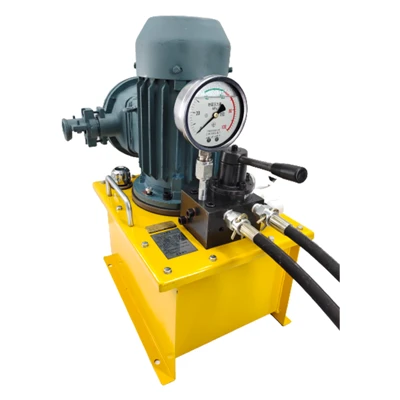
As a supplier of Pneumatic Hydraulic Pumps, I'm excited to share with you a comprehensive guide on how to operate a pneumatic hydraulic pump. Pneumatic hydraulic pumps are widely used in various industries due to their efficiency, reliability, and ability to generate high pressure with relatively low input. Whether you're a professional in the field or a novice looking to learn, this guide will provide you with the essential knowledge to operate these pumps safely and effectively.
Understanding the Basics of Pneumatic Hydraulic Pumps
Before we dive into the operation, let's briefly understand what a pneumatic hydraulic pump is. A pneumatic hydraulic pump uses compressed air as the power source to drive a hydraulic piston. This combination allows for the conversion of pneumatic energy into hydraulic energy, enabling the pump to generate high-pressure hydraulic fluid. The main components of a pneumatic hydraulic pump include an air motor, a hydraulic pump, a reservoir, and various valves and fittings.
Pre - operation Checks
- Inspect the Pump
- Check the pump for any visible damage, such as cracks in the housing, loose fittings, or leaks. A damaged pump can pose a safety hazard and may not operate efficiently.
- Ensure that all the components are securely fastened. Loose parts can cause vibrations and affect the performance of the pump.
- Check the Fluid Level
- The hydraulic fluid is the life - blood of the pump. Open the reservoir and check the fluid level. It should be within the recommended range. If the fluid level is low, add the appropriate hydraulic fluid as specified in the pump's manual.
- Also, check the quality of the fluid. If it appears dirty or contaminated, it may need to be replaced.
- Verify the Air Supply
- Connect the pump to a reliable compressed air source. Check the air pressure. The recommended air pressure for most pneumatic hydraulic pumps is usually between 80 - 120 psi. Make sure the air supply is clean and dry, as moisture and debris in the air can damage the pump's internal components.
- Inspect the air hoses for any kinks, cuts, or leaks. A damaged air hose can reduce the efficiency of the pump and may cause it to malfunction.
Operating the Pneumatic Hydraulic Pump
- Start the Pump
- First, open the air supply valve slowly. This allows the air to gradually enter the air motor and start the pump. Avoid opening the valve too quickly, as this can cause a sudden surge in pressure and damage the pump.
- Listen for the sound of the pump starting. A normal - operating pump should have a smooth and consistent sound. If you hear any unusual noises, such as rattling or grinding, stop the pump immediately and check for problems.
- Adjust the Pressure
- Most pneumatic hydraulic pumps are equipped with a pressure - regulating valve. Use this valve to adjust the output pressure of the pump according to your specific requirements. Refer to the pump's manual for the recommended pressure settings for different applications.
- When adjusting the pressure, make small increments and monitor the pressure gauge closely. Over - pressurizing the pump can lead to component failure and safety risks.
- Monitor the Pump
- While the pump is running, continuously monitor the pressure gauge to ensure that the pressure remains within the desired range. If the pressure fluctuates significantly, it may indicate a problem with the pump or the system.
- Check the temperature of the pump. Excessive heat can be a sign of over - working the pump or a problem with the hydraulic fluid. If the pump becomes too hot, stop the operation and allow it to cool down.
- Shut Down the Pump
- When you have completed your task, close the air supply valve first. This stops the air motor from running.
- Then, release the pressure in the hydraulic system by opening the appropriate relief valve. This step is crucial to prevent damage to the pump and the connected equipment.
Maintenance and Troubleshooting
- Regular Maintenance
- Perform regular maintenance on the pump to ensure its long - term performance. This includes changing the hydraulic fluid at recommended intervals, lubricating moving parts, and cleaning the pump.
- Check the filters regularly and replace them if they are clogged. A dirty filter can restrict the flow of hydraulic fluid and reduce the efficiency of the pump.
- Troubleshooting
- If the pump fails to start, check the air supply. Make sure the air pressure is sufficient and the air hoses are not blocked.
- If there is a leak in the pump, identify the source of the leak. It could be a loose fitting, a damaged seal, or a crack in the housing. Tighten the fittings or replace the damaged parts as necessary.
- If the pressure output is inconsistent, check the pressure - regulating valve. It may need to be adjusted or replaced.
Comparison with Other Types of Hydraulic Pumps
There are several other types of hydraulic pumps available in the market, each with its own advantages and disadvantages.
- Electric Hydraulic Oil Pump: Electric hydraulic oil pumps are powered by electricity. They are suitable for applications where a continuous and stable power source is available. However, they may be more expensive to operate in the long run due to electricity costs.
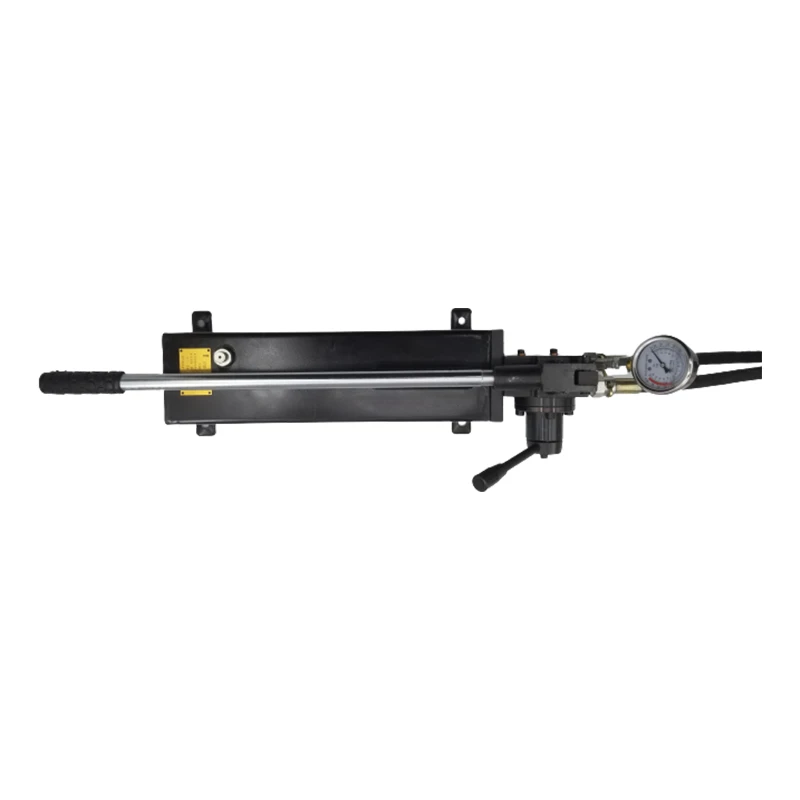
- Manual Hydraulic Pump With Reservoir: Manual hydraulic pumps are operated by hand. They are simple to use and are often used for small - scale applications or in situations where electricity or compressed air is not available. However, they require physical effort to operate and may not be suitable for high - volume or high - pressure applications.
- Emulsion - Powered Hydraulic Pump: Emulsion - powered hydraulic pumps use an emulsion as the power source. They are commonly used in mining and other industrial applications where safety and environmental considerations are important.
Why Choose Our Pneumatic Hydraulic Pumps
As a supplier of Pneumatic Hydraulic Pump, we offer high - quality pumps that are designed to meet the diverse needs of our customers. Our pumps are made from premium materials, ensuring durability and reliability. We also provide excellent customer support, including technical assistance and after - sales service.
If you're interested in purchasing a pneumatic hydraulic pump or have any questions about our products, we encourage you to reach out to us for a procurement discussion. Our team of experts is ready to help you find the right pump for your specific requirements.

References
- Manufacturer's manuals for pneumatic hydraulic pumps
- Industry standards and guidelines for hydraulic pump operation and maintenance
- Technical literature on hydraulic systems and components