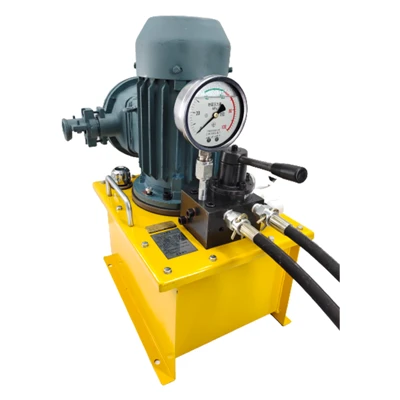
In the realm of hydraulic systems, choosing between an electric hydraulic pump and a pneumatic hydraulic pump is a crucial decision that can significantly impact the efficiency and effectiveness of various operations. As a supplier of Pneumatic Hydraulic Pump, I have witnessed firsthand the diverse applications and scenarios where each type of pump excels. In this blog post, I will delve into the situations where an electric hydraulic pump is more suitable than a pneumatic hydraulic pump, providing insights to help you make an informed decision for your specific needs.
1. Precision and Control Requirements
One of the primary situations where an electric hydraulic pump shines is when precision and control are paramount. Electric pumps offer a high degree of accuracy in pressure regulation and flow control, making them ideal for applications that demand precise movements and consistent performance.
In manufacturing processes such as CNC machining, where precise positioning and force application are critical, an electric hydraulic pump can provide the necessary control to ensure the quality and accuracy of the finished product. The ability to adjust the pump's speed and pressure with a high level of precision allows for fine-tuning of the hydraulic system, enabling operators to achieve the desired results with minimal error.
For example, in a precision stamping operation, an electric hydraulic pump can be programmed to deliver a specific amount of force at a precise moment, ensuring that the stamping process is consistent and repeatable. This level of control is difficult to achieve with a pneumatic hydraulic pump, which may experience fluctuations in pressure and flow due to variations in the air supply.
2. Continuous Operation and High Duty Cycles
Another situation where an electric hydraulic pump is more suitable is in applications that require continuous operation and high duty cycles. Electric pumps are designed to run for extended periods without overheating or experiencing significant wear and tear, making them well-suited for industrial settings where continuous production is essential.
In a manufacturing plant that operates around the clock, an electric hydraulic pump can provide a reliable and consistent source of power for hydraulic systems. The pump's ability to maintain a steady flow of hydraulic fluid ensures that the machinery operates smoothly and efficiently, minimizing downtime and maximizing productivity.
In contrast, pneumatic hydraulic pumps may require frequent breaks to cool down and prevent overheating, especially when operating at high speeds or under heavy loads. This can lead to interruptions in the production process and reduce overall efficiency.
3. Noise and Vibration Sensitivity
In environments where noise and vibration are a concern, an electric hydraulic pump is often the preferred choice. Electric pumps operate quietly and produce minimal vibration, making them suitable for applications in sensitive areas such as laboratories, hospitals, and office buildings.
In a laboratory setting, for example, where precise measurements and experiments are conducted, the noise and vibration generated by a pneumatic hydraulic pump could interfere with the accuracy of the results. An electric hydraulic pump, on the other hand, can provide a quiet and stable source of power, ensuring that the laboratory environment remains undisturbed.
Similarly, in a hospital or office building, the noise and vibration from a pneumatic hydraulic pump could be a nuisance to patients, employees, and visitors. An electric hydraulic pump can operate silently, providing a more comfortable and productive environment.
4. Safety Considerations
Safety is always a top priority in any industrial setting, and an electric hydraulic pump offers several safety advantages over a pneumatic hydraulic pump. Electric pumps do not rely on compressed air, which eliminates the risk of air leaks, explosions, and other hazards associated with pneumatic systems.
In addition, electric hydraulic pumps can be equipped with safety features such as overload protection, temperature sensors, and emergency stop buttons, which help to prevent accidents and protect operators and equipment. These safety features are often more advanced and reliable than those available on pneumatic hydraulic pumps.
For example, in a hazardous environment where flammable or explosive materials are present, an electric hydraulic pump can be designed to meet strict safety standards and regulations, ensuring that the operation is conducted safely and efficiently.
5. Energy Efficiency
In today's energy-conscious world, energy efficiency is an important consideration when choosing a hydraulic pump. Electric hydraulic pumps are generally more energy-efficient than pneumatic hydraulic pumps, as they convert electrical energy directly into hydraulic energy with minimal losses.
In a manufacturing plant, for example, an electric hydraulic pump can help to reduce energy consumption and lower operating costs. The pump's ability to operate at a constant speed and pressure, without the need for frequent start-stop cycles, can result in significant energy savings over time.


In addition, electric hydraulic pumps can be equipped with variable speed drives, which allow the pump to adjust its speed and power consumption based on the actual demand of the hydraulic system. This further enhances the energy efficiency of the pump and reduces its environmental impact.
Conclusion
While pneumatic hydraulic pumps have their own advantages and are well-suited for certain applications, there are several situations where an electric hydraulic pump is more suitable. When precision and control, continuous operation, noise and vibration sensitivity, safety, and energy efficiency are important factors, an electric hydraulic pump is often the preferred choice.
As a supplier of Pneumatic Hydraulic Pump, I understand the importance of providing our customers with the right solution for their specific needs. If you are considering a hydraulic pump for your application, I encourage you to contact us to discuss your requirements and explore the options available. Our team of experts can provide you with detailed information and guidance to help you make an informed decision.
Whether you need an Emulsion-Powered Hydraulic Pump, an Electric Hydraulic Oil Pump, or a Manual Hydraulic Pump With Reservoir, we have the expertise and experience to meet your needs. Contact us today to start the conversation and take the first step towards finding the perfect hydraulic pump for your application.
References
- "Hydraulic Pumps: Types, Working Principles, and Applications." Hydraulics & Pneumatics.
- "Electric vs. Pneumatic Hydraulic Pumps: Which is Right for Your Application?" Fluid Power Journal.
- "The Advantages of Electric Hydraulic Pumps in Industrial Applications." Industrial Equipment News.