Selecting the right strand puller for a specific project is crucial to ensure efficiency, safety, and success. As a strand puller supplier, I've seen firsthand how the wrong choice can lead to costly delays and even safety hazards. In this blog post, I'll share some tips on how to pick the perfect strand puller for your next project.


Understanding Your Project Requirements
The first step in choosing the right strand puller is to understand your project requirements. You need to consider factors such as the type of cable, the pulling force needed, the distance the cable needs to be pulled, and the working environment.
- Type of Cable: Different cables have different characteristics, such as diameter, weight, and flexibility. For example, if you're working with a thick, heavy cable, you'll need a strand puller with a higher pulling force. On the other hand, if you're dealing with a thin, flexible cable, you may be able to get away with a smaller, less powerful puller.
- Pulling Force: The pulling force required depends on several factors, including the weight of the cable, the friction between the cable and the surface it's being pulled over, and any resistance from obstacles. You can calculate the approximate pulling force needed using some basic formulas, but it's always a good idea to add a safety margin to account for any unexpected factors.
- Pulling Distance: The distance the cable needs to be pulled is another important consideration. If you're pulling a cable over a short distance, you may be able to use a manual or pneumatic puller. However, for longer distances, you'll likely need an electric or hydraulic puller that can provide continuous power.
- Working Environment: The working environment can also have a significant impact on the type of strand puller you choose. For example, if you're working in a wet or dusty environment, you'll need a puller that's designed to withstand these conditions. Similarly, if you're working in a confined space, you'll need a compact puller that can fit into the area.
Types of Strand Pullers
There are several types of strand pullers available on the market, each with its own advantages and disadvantages. Here are some of the most common types:
- Manual Strand Pullers: Manual strand pullers are operated by hand and are typically used for small-scale projects or in situations where power is not available. They're relatively inexpensive and easy to use, but they have limited pulling force and are not suitable for pulling heavy cables over long distances.
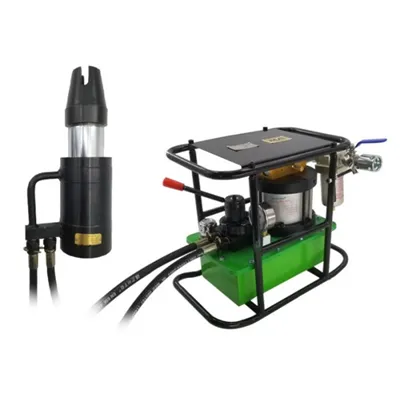
- Pneumatic Strand Pullers: Pneumatic strand pullers use compressed air to power the pulling mechanism. They're more powerful than manual pullers and can be used for medium-sized projects. They're also relatively lightweight and portable, making them a good choice for working in remote locations. Check out our Mining Pneumatic Anchor Cable Retractor for a great pneumatic option.
- Electric Strand Pullers: Electric strand pullers are powered by electricity and are suitable for a wide range of projects. They offer high pulling force and can be used for both short and long distances. They're also relatively quiet and clean to operate, making them a popular choice for indoor applications.
- Hydraulic Strand Pullers: Hydraulic strand pullers use hydraulic fluid to power the pulling mechanism. They're the most powerful type of strand puller and are typically used for large-scale projects or in situations where high pulling force is required. They're also more durable and reliable than other types of pullers, but they're also more expensive and heavier.
Considerations When Selecting a Strand Puller
In addition to understanding your project requirements and the types of strand pullers available, there are several other considerations you should keep in mind when selecting a strand puller:
- Quality and Reliability: You want to choose a strand puller that's made from high-quality materials and is built to last. Look for a puller that has a good reputation in the industry and comes with a warranty.
- Ease of Use: A strand puller should be easy to operate, even for inexperienced users. Look for a puller that has clear instructions and is designed with user-friendly features.
- Safety Features: Safety is always a top priority when working with heavy equipment. Make sure the strand puller you choose has adequate safety features, such as overload protection, emergency stop buttons, and safety guards.
- Maintenance Requirements: Like any piece of equipment, a strand puller requires regular maintenance to keep it in good working condition. Look for a puller that's easy to maintain and has readily available replacement parts.
Examples of Suitable Strand Pullers for Different Projects
Let's take a look at some examples of how to select the right strand puller for different types of projects:
- Mining Projects: In mining projects, you often need to pull heavy anchor cables over long distances. For this type of application, a hydraulic strand puller is usually the best choice. Our Mining Emulsion-Powered Cable Anchor Retractor is specifically designed for mining operations and can provide the high pulling force needed to handle heavy cables.
- Construction Projects: Construction projects can involve pulling a variety of cables, including electrical, plumbing, and communication cables. Depending on the size and weight of the cables, you may be able to use a manual, pneumatic, or electric strand puller. For example, our Mining Manual Anchor Cable Retractor is a cost-effective option for small to medium-sized construction projects.
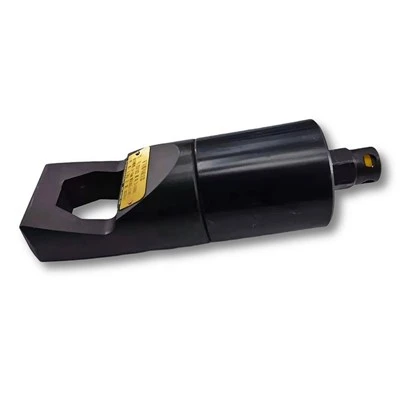
- Industrial Projects: Industrial projects often require pulling cables in a variety of environments, including factories, warehouses, and power plants. Electric strand pullers are a popular choice for industrial applications because they offer high pulling force and are relatively easy to operate. Our Mining Anchor Cable Retraction Jack is a versatile option that can be used in a variety of industrial settings.
Conclusion
Selecting the right strand puller for a specific project is not always easy, but it's essential to ensure the success of your project. By understanding your project requirements, the types of strand pullers available, and the key considerations when making a selection, you can make an informed decision and choose the puller that's right for you.
If you're still not sure which strand puller is best for your project, don't hesitate to contact us. Our team of experts is always happy to help you find the perfect solution for your needs. We can provide you with more information about our products, answer any questions you may have, and even offer on-site consultations if needed. Let's work together to make your project a success!
References
- Smith, J. (2020). Guide to Selecting Industrial Equipment. Industrial Press.
- Johnson, A. (2019). Cable Pulling Techniques and Equipment. Construction Journal.