When it comes to industrial drilling operations, the choice of the right tool is crucial for achieving efficient and high - quality results. One question that often arises in the minds of many professionals in the field is, "Can a pneumatic impact drill be used for metal drilling?" As a reputable Pneumatic Impact Drill supplier, I am here to delve into this topic in detail and provide you with comprehensive insights.
Understanding Pneumatic Impact Drills
Pneumatic impact drills are power tools that rely on compressed air to generate the force required for drilling. They are known for their high - power output, durability, and relatively simple maintenance. Compared to electric drills, pneumatic drills can offer a higher power - to - weight ratio, making them suitable for heavy - duty applications.
The basic principle of a pneumatic impact drill involves the conversion of compressed air energy into mechanical energy. When compressed air is introduced into the drill, it drives a piston or a set of rotating mechanisms. This movement creates a combination of rotational and impact forces, which are used to bore holes into various materials. These drills are commonly used in construction, mining, and automotive repair industries, primarily for tasks such as drilling into concrete, masonry, and rock.
Capabilities of Pneumatic Impact Drills for Metal Drilling
Now, let's focus on the main question: Can a pneumatic impact drill be used for metal drilling? The answer is yes, but with certain limitations and considerations.
Advantages for Metal Drilling
- Power and Force: Pneumatic impact drills can deliver a significant amount of force, which is beneficial when dealing with thicker or harder metals. The impact force helps to break through the metal surface more effectively, especially in cases where traditional rotary drills might struggle. For example, when drilling into high - strength steel alloys, the additional impact can reduce the time and effort required to complete the drilling process.
- Heat Dissipation: Metal drilling generates a substantial amount of heat, which can damage both the drill bit and the material being drilled. Pneumatic drills, due to their air - based operation, can dissipate heat more efficiently compared to electric drills. The constant flow of compressed air helps to cool down the drill bit during operation, reducing the risk of overheating and prolonging the life of the bit.
Limitations and Challenges
- Precision: Pneumatic impact drills are generally designed for heavy - duty, rough applications. When it comes to metal drilling, especially for applications that require high precision, such as in the aerospace or electronics industries, these drills may not be the best choice. The impact action can cause minor vibrations and movements that might affect the accuracy of the drilled hole.
- Drill Bit Compatibility: Not all drill bits are suitable for use with pneumatic impact drills when drilling metal. You need to select drill bits made from high - speed steel (HSS) or carbide, which are specifically designed to withstand the forces and heat generated during metal drilling. Using the wrong drill bit can lead to poor performance, premature wear, and potential damage to the drill and the workpiece.
Factors to Consider When Using a Pneumatic Impact Drill for Metal Drilling
If you decide to use a pneumatic impact drill for metal drilling, here are some important factors to keep in mind:
Material of the Metal
Different metals have different hardness levels and properties. Softer metals like aluminum and copper are relatively easy to drill, while harder metals such as stainless steel and titanium require more powerful tools and appropriate drill bits. Make sure you understand the properties of the metal you are working with before starting the drilling process.
Drill Bit Selection
As mentioned earlier, choosing the right drill bit is crucial. For general - purpose metal drilling, HSS drill bits are a good option. They can handle a wide range of metals and offer a good balance between cost and performance. For more challenging metals or high - precision applications, carbide drill bits are recommended. They are extremely hard and can maintain their sharpness for longer periods.
Air Pressure
The performance of a pneumatic impact drill is highly dependent on the air pressure supplied. For metal drilling, a higher air pressure is usually required to ensure sufficient force is applied. However, too high a pressure can cause excessive wear on the drill bit and the drill itself. It is important to refer to the manufacturer's specifications to determine the optimal air pressure for your specific drill and the metal being drilled.
Industry Applications
Despite the limitations, there are several industries where pneumatic impact drills are successfully used for metal drilling.
Automotive Industry
In automotive repair and manufacturing, pneumatic impact drills are often used for tasks such as drilling holes for bolts, brackets, and other components. The high - power output of these drills allows mechanics to quickly and efficiently drill through various metal parts, including steel and aluminum.
Construction and Infrastructure
In construction projects, pneumatic impact drills can be used for metal drilling in applications such as installing metal supports and brackets. They are particularly useful when working on site where there may not be a reliable source of electricity, as compressed air can be easily supplied from portable air compressors.
Our Product Range
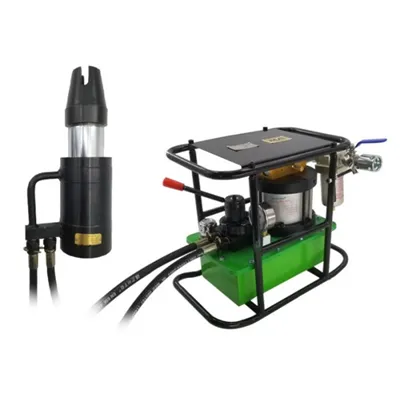
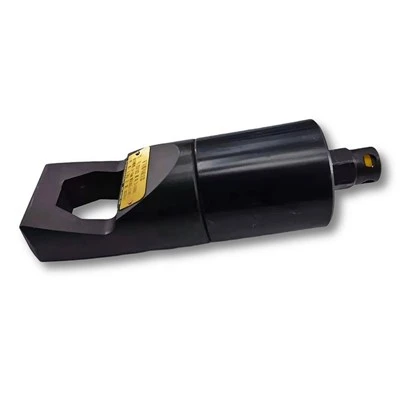
As a Pneumatic Impact Drill supplier, we offer a wide range of high - quality products to meet the diverse needs of our customers. Our Pneumatic Impact Drill is designed with the latest technology to ensure maximum performance and durability. We also provide other related products such as the Pneumatic Handheld Anchor Drill, which is suitable for various drilling applications, the Rock Bolt Torque Multiplier for precise torque control, and the Pneumatic Roof Bolter for heavy - duty roof bolting tasks.
Conclusion and Call to Action
In conclusion, a pneumatic impact drill can be effectively used for metal drilling, but it is essential to understand its capabilities, limitations, and the factors that affect its performance. By choosing the right drill bit, adjusting the air pressure correctly, and considering the properties of the metal, you can achieve satisfactory results.
If you are in the market for a reliable Pneumatic Impact Drill or any of our other products, we invite you to contact us for more information and to discuss your specific requirements. Our team of experts is always ready to assist you in making the right choice.


References
- "Handbook of Power Tools", Industrial Press Inc.
- "Drilling and Machining of Metals: Fundamentals and Recent Advances", Springer.