Can a Roof Delamination Detector detect delamination in modified bitumen roofs?
As a supplier of Roof Delamination Detectors, I've been asked this question quite frequently. Modified bitumen roofs are a popular choice in the roofing industry due to their durability, flexibility, and resistance to weather elements. However, like any roofing material, they are not immune to issues such as delamination. In this blog post, I'll explore whether a Roof Delamination Detector can effectively detect delamination in modified bitumen roofs.
Understanding Modified Bitumen Roofs
Modified bitumen roofs are made by combining bitumen, a petroleum-based material, with polymers to enhance its performance. These polymers can include styrene-butadiene-styrene (SBS) or atactic polypropylene (APP), which give the roof added flexibility, strength, and resistance to temperature changes. Modified bitumen roofs are typically installed in multiple layers, with each layer bonded together to create a waterproof barrier.
What is Delamination?
Delamination occurs when the layers of a roofing system separate from each other. This can happen due to a variety of factors, including improper installation, aging, exposure to extreme weather conditions, or the presence of moisture. When delamination occurs, it can compromise the integrity of the roof, leading to leaks, water damage, and reduced lifespan.


How Does a Roof Delamination Detector Work?
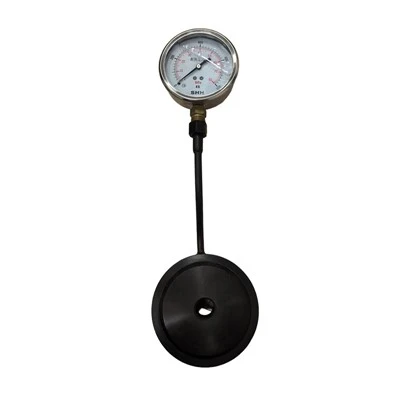
A Roof Delamination Detector is a specialized tool designed to detect delamination in roofing systems. It works by using a combination of electromagnetic waves, ultrasound, or infrared technology to identify areas where the layers of the roof are not properly bonded. The detector sends a signal through the roof, and any areas of delamination will cause the signal to reflect differently, indicating a problem.
Can a Roof Delamination Detector Detect Delamination in Modified Bitumen Roofs?
The short answer is yes, a Roof Delamination Detector can detect delamination in modified bitumen roofs. However, the effectiveness of the detector depends on several factors, including the type of detector used, the thickness of the roof, and the severity of the delamination.
- Type of Detector: Different types of Roof Delamination Detectors use different technologies to detect delamination. Some detectors are more effective at detecting delamination in certain types of roofing materials than others. For example, electromagnetic wave detectors are generally more effective at detecting delamination in thin roofing materials, while ultrasound detectors are better suited for thicker roofs.
- Thickness of the Roof: The thickness of the roof can also affect the effectiveness of the detector. Thicker roofs may require a more powerful detector to penetrate the layers and detect delamination. Additionally, the presence of multiple layers in a modified bitumen roof can make it more difficult to detect delamination, as the signal may be absorbed or scattered by the different layers.
- Severity of the Delamination: The severity of the delamination can also impact the ability of the detector to identify the problem. Minor delamination may be more difficult to detect than more severe delamination, as the signal may not be significantly affected by the separation of the layers.
Benefits of Using a Roof Delamination Detector
Using a Roof Delamination Detector to detect delamination in modified bitumen roofs offers several benefits, including:
- Early Detection: By detecting delamination early, you can take proactive measures to repair the problem before it becomes more severe. This can help prevent leaks, water damage, and costly repairs.
- Cost Savings: Early detection of delamination can also help you save money in the long run. By addressing the problem early, you can avoid more extensive repairs or even a full roof replacement.
- Improved Safety: Delamination can compromise the integrity of the roof, making it more susceptible to collapse. By detecting delamination early, you can take steps to ensure the safety of your building and its occupants.
Other Testing Equipment for the Mining Industry
In addition to Roof Delamination Detectors, we also offer a range of other testing equipment for the mining industry. These include:
- Coal Mine Rock Bolt Tension Tester: This tool is used to measure the tension of rock bolts in coal mines, ensuring their proper installation and effectiveness.
- Single Hydraulic Prop Pressure Tester: This tester is used to measure the pressure of single hydraulic props in mines, ensuring their stability and safety.
- Mining Anchor Cable Force Gauge: This gauge is used to measure the force of mining anchor cables, ensuring their proper installation and load-bearing capacity.
- Rock Bolt Angle Meter: This meter is used to measure the angle of rock bolts in mines, ensuring their proper installation and alignment.
Contact Us for More Information
If you're interested in learning more about our Roof Delamination Detectors or other testing equipment, please don't hesitate to contact us. Our team of experts is available to answer your questions and provide you with more information about our products and services. We look forward to working with you to ensure the safety and integrity of your roofing and mining systems.
References
- ASTM International. (2019). Standard Test Method for Detecting Delamination in Roofing Systems Using a Low-Frequency Electromagnetic Scanner. ASTM D7089-19.
- Roofing Industry Committee on Weather Issues. (2018). Best Practices for Modified Bitumen Roofing Systems.
- National Roofing Contractors Association. (2017). Roofing Manual: Modified Bitumen Roofing.