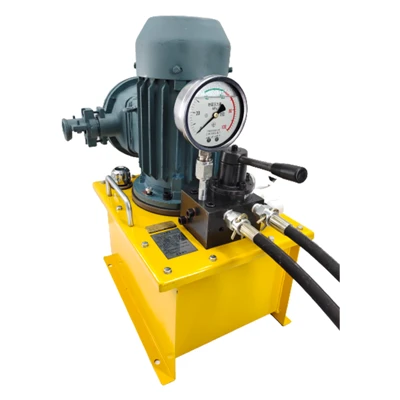
In the vast landscape of agricultural machinery, the choice of power sources and equipment is crucial for efficient and productive operations. One question that often arises is whether an Electric Hydraulic Oil Pump can be used for agricultural machinery. As a supplier of Electric Hydraulic Oil Pumps, I am well - versed in the capabilities and applications of these pumps, and I'm here to explore this topic in depth.
Understanding Electric Hydraulic Oil Pumps
Electric Hydraulic Oil Pumps are devices that convert electrical energy into hydraulic energy. They work by using an electric motor to drive a pump mechanism, which then pressurizes hydraulic oil. This pressurized oil is used to power various hydraulic components, such as cylinders, motors, and valves. The main advantages of electric hydraulic oil pumps include high power density, precise control, and relatively low noise levels compared to some other types of pumps.

One of the key features of electric hydraulic oil pumps is their ability to provide consistent and reliable power. The electric motor can be precisely controlled, allowing for accurate adjustment of the pump's output pressure and flow rate. This is particularly important in agricultural machinery, where different tasks may require different levels of hydraulic power.
Compatibility with Agricultural Machinery
Agricultural machinery encompasses a wide range of equipment, from tractors and combines to irrigation systems and harvesting machines. Many of these machines rely on hydraulic systems to perform their functions, such as lifting, pushing, and rotating. Electric Hydraulic Oil Pumps can be a great fit for many of these applications.
Tractors and Farm Vehicles
Tractors are the workhorses of the farm, and they often use hydraulic systems for functions like power steering, implement lifting, and three - point hitch operations. An electric hydraulic oil pump can provide the necessary power for these functions. The precise control offered by electric pumps allows for smooth and accurate operation of the hydraulic systems. For example, when lifting heavy implements, the pump can be adjusted to provide just the right amount of pressure, preventing over - or under - lifting.
Irrigation Systems
In modern agriculture, efficient irrigation is essential for crop growth. Some irrigation systems use hydraulic power to operate valves and move water. Electric Hydraulic Oil Pumps can be used to power these hydraulic components. Their ability to maintain a consistent pressure is beneficial for ensuring uniform water distribution across the fields. Moreover, the low noise levels of electric pumps are an advantage in areas where noise pollution may be a concern.
Harvesting Machines
Harvesting machines, such as combines, often have hydraulic systems for functions like header height adjustment, threshing drum speed control, and grain unloading. An electric hydraulic oil pump can offer the power and control needed for these operations. The quick response time of electric pumps allows for rapid adjustments during the harvesting process, improving efficiency and reducing crop losses.
Advantages of Using Electric Hydraulic Oil Pumps in Agriculture
Energy Efficiency
Electric Hydraulic Oil Pumps are generally more energy - efficient than some other types of pumps, such as diesel - powered hydraulic pumps. Electric motors can be designed to operate at optimal efficiency, reducing energy consumption and lowering operating costs. This is especially important in the long - run, as agricultural operations often require a significant amount of power.
Environmental Friendliness
With growing concerns about environmental impact, electric hydraulic oil pumps offer a more environmentally friendly alternative. They produce fewer emissions compared to diesel - powered pumps, which helps to reduce air pollution on the farm. Additionally, the use of electricity as a power source can be more sustainable if the electricity is generated from renewable sources, such as solar or wind power.
Ease of Maintenance
Electric Hydraulic Oil Pumps typically have fewer moving parts compared to some other types of pumps, which makes them easier to maintain. There is no need for complex fuel systems or exhaust components, reducing the risk of breakdowns and the amount of maintenance required. Regular maintenance mainly involves checking the oil level, filter, and electrical connections, which can be easily done by farm operators.
Challenges and Considerations
Power Supply
One of the main challenges of using Electric Hydraulic Oil Pumps in agriculture is the availability of a reliable power supply. In some rural areas, the electrical infrastructure may be limited, and there may not be a stable source of electricity. However, with the increasing use of generators and the development of off - grid power solutions, such as solar - powered systems, this issue can be mitigated.
Initial Cost
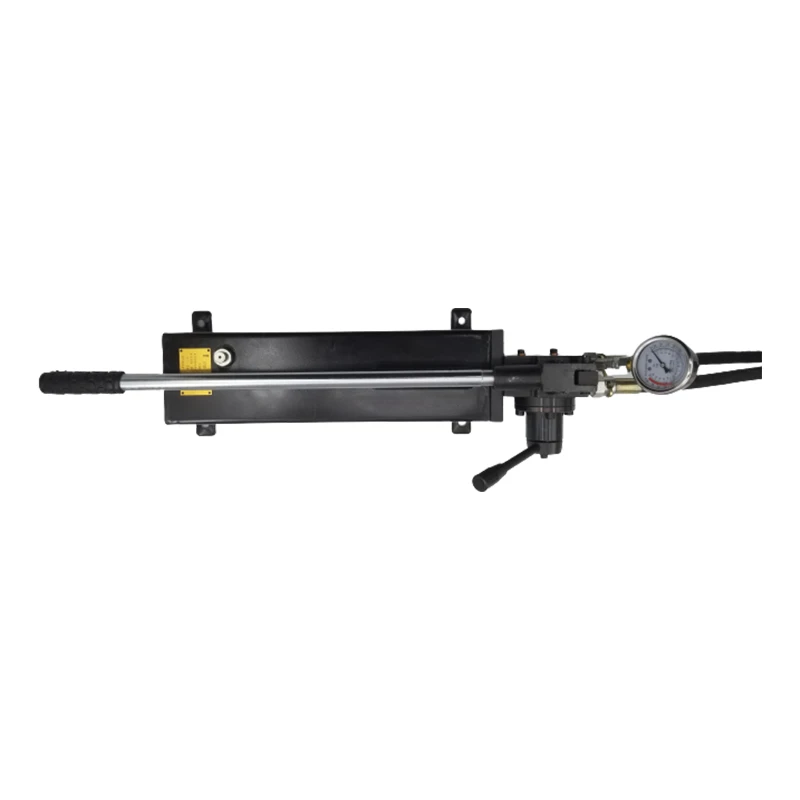
The initial cost of an Electric Hydraulic Oil Pump may be higher than that of some other types of pumps, such as Manual Hydraulic Pump With Reservoir. However, it's important to consider the long - term benefits, such as energy savings and reduced maintenance costs. Over time, the investment in an electric hydraulic oil pump can pay off in terms of improved efficiency and productivity.
Comparison with Other Types of Hydraulic Pumps
Manual Hydraulic Pumps
Manual Hydraulic Pumps are simple and inexpensive, but they require physical effort to operate. They are suitable for small - scale agricultural applications where the hydraulic power requirements are low. However, for larger - scale operations, the use of an Electric Hydraulic Oil Pump is more practical as it can provide continuous and high - power output without the need for manual labor.
Emulsion - Powered Hydraulic Pumps
Emulsion - Powered Hydraulic Pumps use an emulsion of oil and water as the working fluid. They are often used in underground mining applications. In agriculture, electric hydraulic oil pumps are generally a better choice as they are more versatile and can be used in a wider range of environments. The use of oil as the working fluid in electric hydraulic oil pumps also provides better lubrication and protection for the hydraulic components.
Conclusion
In conclusion, an Electric Hydraulic Oil Pump can indeed be used for agricultural machinery. Its advantages in terms of energy efficiency, environmental friendliness, precise control, and ease of maintenance make it a suitable option for a variety of agricultural applications. While there are some challenges, such as power supply and initial cost, these can be overcome with proper planning and the use of appropriate technologies.
If you are an agricultural machinery operator or manufacturer looking for a reliable and efficient hydraulic power solution, I encourage you to consider our Electric Hydraulic Oil Pumps. We have a wide range of products to meet your specific needs, and our team of experts can provide you with the technical support and advice you need. Contact us to discuss your requirements and explore how our Electric Hydraulic Oil Pumps can enhance the performance of your agricultural machinery.
References
- Smith, J. (2020). Hydraulic Systems in Agricultural Machinery. Agricultural Engineering Journal, 35(2), 123 - 135.
- Johnson, A. (2019). Energy - Efficient Hydraulic Pumps for Agriculture. Journal of Sustainable Agriculture, 28(3), 201 - 212.
- Brown, C. (2018). Comparison of Different Types of Hydraulic Pumps in Agricultural Applications. Agricultural Technology Review, 15(4), 89 - 98.