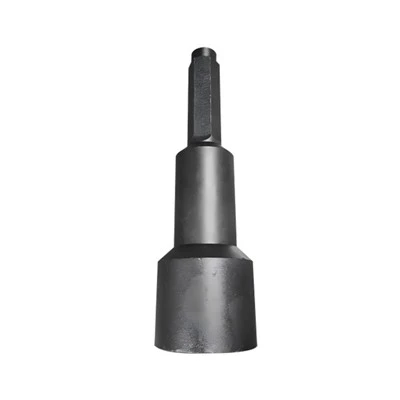
Hey there! As a supplier of Pneumatic Handheld Anchor Drills, I know how important it is to take good care of your equipment, especially the drill bits. These little guys are the workhorses of the drill, and proper storage can significantly extend their lifespan, save you money, and ensure they're always ready to perform when you need them. So, let's dive into how to store the drill bits of a pneumatic handheld anchor drill.
Why Proper Storage Matters
First off, why should you bother with proper storage? Well, drill bits are precision tools. They're made of high - quality materials like carbide or high - speed steel, but they're still vulnerable to damage. If you just toss them in a toolbox haphazardly, they can get chipped, dulled, or even rusted. A damaged drill bit won't perform as well, and it can even lead to problems with your pneumatic handheld anchor drill. You might end up getting inconsistent hole sizes, slower drilling speeds, or even damaging the drill itself.
Cleaning the Drill Bits
Before you store your drill bits, you need to clean them properly. After a long day of drilling, there's usually a lot of debris, dust, and oil on the bits. You can use a wire brush to remove the large chunks of debris. For more stubborn dirt, you can soak the drill bits in a mild solvent. Just make sure the solvent is safe for the material of your drill bits. Once they're clean, dry them thoroughly with a clean cloth. This helps prevent rust, which can eat away at the drill bits over time.
Choosing the Right Storage Container
Now, let's talk about storage containers. There are several options available, and the choice depends on your needs and the number of drill bits you have.


- Drill Bit Racks: These are great for organizing your drill bits by size. You can find racks that can hold a variety of bit sizes, and they usually have slots or holes where you can insert the bits. This makes it easy to see which bit you need at a glance. Some racks even come with labels, so you can quickly identify the size of each bit.
- Toolboxes with Compartments: If you have a smaller number of drill bits, a toolbox with compartments can be a good option. You can separate the bits by size or type, and the toolbox will protect them from getting knocked around. Just make sure the compartments are padded to prevent the bits from chipping.
- Plastic Cases: Plastic cases are lightweight and portable. They're perfect if you need to take your drill bits on the go. Many plastic cases have custom - molded foam inserts that hold the drill bits securely in place.
Storage Environment
The environment where you store your drill bits is also crucial. You want to keep them in a dry, cool place. Moisture is the enemy of drill bits, as it can cause rust. If you live in a humid area, you might want to consider using a dehumidifier in your storage area. Also, avoid storing the drill bits near chemicals or other substances that could corrode them.
Organizing Your Drill Bits
Organization is key when it comes to storing drill bits. You don't want to waste time searching for the right bit when you're in the middle of a job. Here are some tips for organizing your drill bits:
- Group by Size: This is the most common way to organize drill bits. You can arrange them from the smallest to the largest size. This makes it easy to find the bit you need based on the hole size you want to drill.
- Group by Type: If you have different types of drill bits, such as twist bits, spade bits, or masonry bits, group them by type. This can be helpful if you're working on different types of projects.
- Use Labels: Whether you're using a rack, a toolbox, or a case, labels can make it much easier to find the drill bits you need. You can label the slots or compartments with the size or type of the bit.
Additional Tips for Storage
- Protect the Tips: The tips of the drill bits are the most important part. You can use plastic caps or sleeves to protect the tips from getting damaged during storage.
- Check Regularly: Make it a habit to check your drill bits regularly. Look for signs of wear, damage, or rust. If you notice any issues, you can address them before they become a bigger problem.
Related Products
As a Pneumatic Handheld Anchor Drill supplier, I also want to mention some related products that you might find useful. If you're interested in other types of drilling equipment, you can check out our Pneumatic Impact Drill. It's a powerful tool that can handle a variety of drilling tasks. We also have the Rock Bolt Torque Multiplier, which is great for tightening rock bolts accurately. And if you're looking for a more heavy - duty option, our Pneumatic Roof Bolter is a reliable choice.
Contact Us for Purchase
If you're in the market for a Pneumatic Handheld Anchor Drill or any of our other products, or if you have any questions about drill bit storage or our equipment, don't hesitate to reach out. We're here to help you find the right tools for your projects and ensure you get the best performance out of them. Just get in touch with us, and we'll be happy to discuss your needs and provide you with a quote.
References
- "Handbook of Drill Bit Technology" by John Smith
- "Pneumatic Tools: Maintenance and Usage" by Jane Doe