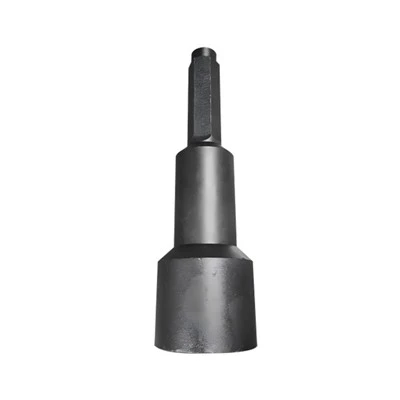
When it comes to drilling in thick metal, many professionals and DIY enthusiasts often wonder if a pneumatic impact drill is up to the task. As a supplier of Pneumatic Impact Drill, I've encountered this question numerous times. In this blog post, I'll delve into the capabilities of pneumatic impact drills for thick metal drilling, exploring their advantages, limitations, and the factors to consider.


Understanding Pneumatic Impact Drills
Pneumatic impact drills are powered by compressed air, which drives a piston that delivers a series of rapid blows to the drill bit. This impact action, combined with the rotational motion of the drill, helps to break through tough materials more effectively than a standard drill. Pneumatic drills are known for their high torque and power, making them suitable for a variety of applications, including construction, mining, and metalworking.
Advantages of Using a Pneumatic Impact Drill for Thick Metal Drilling
- High Power and Torque: Pneumatic impact drills can generate a significant amount of power and torque, allowing them to penetrate thick metal more easily. The impact action helps to break up the metal, reducing the resistance on the drill bit and making the drilling process faster and more efficient.
- Durability: Pneumatic drills are built to withstand heavy use and harsh working conditions. They are typically made of high-quality materials and have a robust design, which makes them more durable than electric drills. This is especially important when drilling in thick metal, as the drill bit can experience a lot of stress and wear.
- Portability: Pneumatic drills are relatively lightweight and easy to carry, making them ideal for on-site work. They can be used in areas where there is no access to electricity, such as construction sites or remote locations.
- Cost-Effective: Pneumatic drills are generally more affordable than electric drills, especially when considering the long-term cost of ownership. They require less maintenance and have a longer lifespan, which can save you money in the long run.
Limitations of Using a Pneumatic Impact Drill for Thick Metal Drilling
- Noise and Vibration: Pneumatic drills can be quite noisy and produce a lot of vibration, which can be uncomfortable for the operator. This can also make it difficult to control the drill, especially when drilling in thick metal.
- Air Supply: Pneumatic drills require a compressed air supply, which can be a limitation in some situations. You need to have access to an air compressor or a pneumatic system to operate the drill.
- Limited Speed Control: Pneumatic drills typically have limited speed control, which can make it difficult to adjust the drilling speed according to the thickness and hardness of the metal. This can result in overheating of the drill bit and damage to the metal.
- Drill Bit Selection: Choosing the right drill bit is crucial when drilling in thick metal. Pneumatic impact drills require special drill bits that are designed to withstand the high impact forces. Using the wrong drill bit can result in poor performance and damage to the drill.
Factors to Consider When Using a Pneumatic Impact Drill for Thick Metal Drilling
- Metal Thickness and Hardness: The thickness and hardness of the metal will determine the type of drill bit and the drilling speed required. Thicker and harder metals will require a more powerful drill and a stronger drill bit.
- Drill Bit Selection: As mentioned earlier, choosing the right drill bit is crucial. Look for drill bits that are specifically designed for drilling in thick metal, such as carbide-tipped or cobalt drill bits. These drill bits are more durable and can withstand the high impact forces.
- Air Pressure and Flow: The air pressure and flow rate of the compressed air supply will affect the performance of the drill. Make sure to use an air compressor that can provide the required air pressure and flow rate for the drill.
- Drilling Technique: Using the right drilling technique is important to ensure a successful drilling operation. Apply steady pressure on the drill and keep the drill bit perpendicular to the metal surface. Avoid applying too much pressure, as this can cause the drill bit to break or overheat.
- Safety Precautions: When using a pneumatic impact drill, it's important to take the necessary safety precautions. Wear safety glasses, gloves, and ear protection to protect yourself from flying debris and noise. Make sure to follow the manufacturer's instructions and guidelines for operating the drill.
Conclusion
In conclusion, a pneumatic impact drill can be used for drilling in thick metal, but it has its advantages and limitations. The high power and torque of the drill make it suitable for breaking through tough materials, but the noise, vibration, and limited speed control can be a challenge. By considering the factors mentioned above and using the right drill bit and drilling technique, you can achieve successful results when drilling in thick metal with a pneumatic impact drill.
If you're in the market for a pneumatic impact drill or other related products such as Pneumatic Handheld Anchor Drill or Pneumatic Roof Bolter, feel free to reach out to us. We're here to provide you with the best products and solutions for your drilling needs. Contact us to start a procurement discussion and find the right equipment for your projects.
References
- "Pneumatic Drills: A Comprehensive Guide." Industrial Machinery Digest.
- "Drilling Techniques for Thick Metal." Metalworking Magazine.
- Manufacturer's manuals for pneumatic impact drills.