Hey there! As a supplier of Pneumatic Handheld Anchor Drill, I've seen firsthand how the quality of compressed air can make or break the performance of these nifty tools. Let's dive into this topic and see why it's so important.
The Basics of Pneumatic Handheld Anchor Drills
First off, let's quickly go over what a pneumatic handheld anchor drill is. It's a drill that uses compressed air as its power source. These drills are super handy in construction, mining, and other industries where you need to drill holes for anchors quickly and efficiently. They're portable, easy to use, and can handle a variety of materials, from soft soil to hard rock.
The Role of Compressed Air
Compressed air is like the lifeblood of a pneumatic handheld anchor drill. It powers the drill's motor, allowing it to rotate the drill bit and create holes. But not all compressed air is created equal. The quality of the compressed air can have a huge impact on the drill's performance.
Pressure
One of the most important factors is the pressure of the compressed air. If the pressure is too low, the drill won't have enough power to drive the drill bit through the material. This can lead to slower drilling speeds, more wear and tear on the drill bit, and even the drill stalling mid-hole. On the other hand, if the pressure is too high, it can cause the drill to overheat, damage the internal components, and even pose a safety risk.
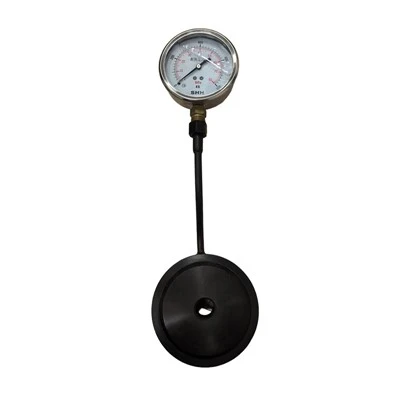
So, it's crucial to make sure the compressed air pressure is within the recommended range for your specific drill. Most manufacturers will provide this information in the user manual. You can use a pressure gauge to monitor the pressure and adjust it as needed.
Moisture
Another big issue is moisture in the compressed air. When air is compressed, it releases moisture, which can find its way into the drill. Moisture can cause rust and corrosion inside the drill, leading to reduced performance and a shorter lifespan. It can also affect the lubrication of the drill's moving parts, causing them to wear out faster.
To prevent moisture from getting into the drill, you can use an air dryer or a moisture separator. These devices remove the moisture from the compressed air before it reaches the drill. It's also a good idea to drain the moisture from the air compressor regularly.
Contaminants
Compressed air can also contain contaminants such as dust, dirt, and oil. These contaminants can clog the drill's air passages, reducing the airflow and causing the drill to operate inefficiently. They can also damage the drill's internal components, leading to costly repairs.
To keep the compressed air clean, you can use air filters. These filters remove the contaminants from the air before it enters the drill. Make sure to replace the filters regularly to ensure they're working effectively.
How Poor Compressed Air Quality Affects Performance
Now that we know what factors can affect the quality of compressed air, let's take a look at how poor compressed air quality can impact the performance of a pneumatic handheld anchor drill.
Reduced Drilling Speed
As mentioned earlier, low air pressure can result in slower drilling speeds. When the drill doesn't have enough power, it takes longer to penetrate the material. This can significantly slow down your work and increase your project timeline.
Increased Wear and Tear
Moisture and contaminants in the compressed air can cause increased wear and tear on the drill's components. Rust and corrosion can weaken the drill's internal parts, making them more likely to break. Clogged air passages can also cause the drill to work harder, leading to premature wear on the motor and other moving parts.


Unreliable Operation
Poor compressed air quality can make the drill's operation unreliable. The drill may stall or stop working altogether, especially when drilling through tough materials. This can be frustrating and can lead to delays in your work.
Safety Risks
In some cases, poor compressed air quality can pose safety risks. For example, if the air pressure is too high, the drill can become unstable and difficult to control. This can increase the risk of accidents and injuries.
Improving Compressed Air Quality
So, how can you improve the quality of the compressed air for your pneumatic handheld anchor drill? Here are some tips:
Use a High-Quality Air Compressor
Invest in a good quality air compressor that can provide a consistent and reliable supply of compressed air. Make sure the compressor has the capacity to meet the requirements of your drill.
Install Air Treatment Equipment
As mentioned earlier, use an air dryer, moisture separator, and air filters to remove moisture and contaminants from the compressed air. These devices can significantly improve the quality of the air and extend the lifespan of your drill.
Maintain Your Equipment
Regularly maintain your air compressor and other air treatment equipment. This includes checking the pressure, draining the moisture, and replacing the filters. By keeping your equipment in good condition, you can ensure that the compressed air quality remains high.
Follow Manufacturer's Recommendations
Always follow the manufacturer's recommendations for your drill and air compressor. This includes using the correct air pressure, lubricating the drill as needed, and performing regular maintenance.
Other Related Tools
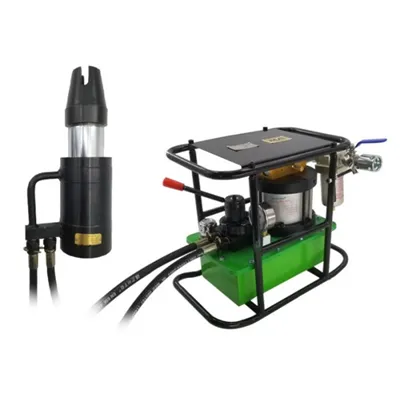
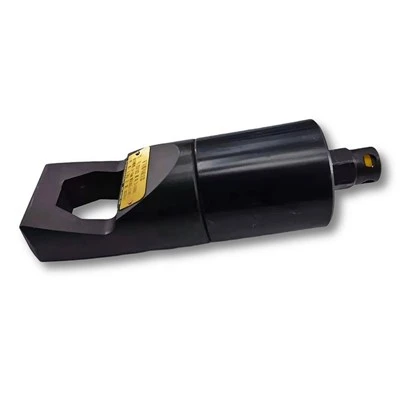
If you're in the market for other tools related to anchor drilling, we also offer Rock Bolt Torque Multiplier, Pneumatic Impact Drill, and Pneumatic Roof Bolter. These tools can complement your pneumatic handheld anchor drill and help you get the job done more efficiently.
Conclusion
In conclusion, the quality of compressed air plays a crucial role in the performance of a pneumatic handheld anchor drill. By ensuring that the compressed air is clean, dry, and at the right pressure, you can improve the drill's efficiency, extend its lifespan, and reduce the risk of breakdowns. If you're looking for a reliable pneumatic handheld anchor drill or other related tools, don't hesitate to contact us for more information and to discuss your procurement needs. We're here to help you find the best solutions for your projects.
References
- Manufacturer's manuals for pneumatic handheld anchor drills and air compressors.
- Industry standards and best practices for compressed air quality.