Hey there! As a supplier of Roof Delamination Detectors, I often get asked about how accurate the depth measurement of these devices really is. It's a crucial question, especially for those in the construction, mining, and roofing industries where the integrity of the roof structure is of utmost importance.
First off, let's understand what a Roof Delamination Detector is and why depth measurement matters. A Roof Delamination Detector is a tool used to detect delamination, which is the separation of layers in a roofing system. This can be caused by various factors such as moisture, improper installation, or aging. Depth measurement is essential because it helps us determine how severe the delamination is and where exactly it's occurring within the roof layers.


The accuracy of the depth measurement in a Roof Delamination Detector depends on several factors. One of the key factors is the technology used in the device. Most modern Roof Delamination Detectors use either ultrasonic or electromagnetic technology.
Ultrasonic Roof Delamination Detectors work by sending high - frequency sound waves into the roof. These waves travel through the roof layers and bounce back when they encounter a boundary, such as a delaminated area. The time it takes for the waves to return is measured, and based on the speed of sound in the roofing material, the depth of the delamination can be calculated. However, the accuracy of this method can be affected by the type of roofing material. Different materials have different acoustic properties, which means the speed of sound can vary. For example, a thick, dense roofing material might slow down the sound waves more than a thin, lightweight one.
Electromagnetic Roof Delamination Detectors, on the other hand, use electromagnetic fields to detect changes in the electrical properties of the roofing material. Delaminated areas often have different electrical conductivity compared to intact areas. By measuring these changes, the detector can identify the location and depth of the delamination. But similar to ultrasonic detectors, the accuracy can be influenced by the roofing material. Some materials might have a high level of electrical interference, which can make it harder for the detector to accurately measure the depth.
Another factor that affects the accuracy of depth measurement is the calibration of the device. Just like any other measuring instrument, a Roof Delamination Detector needs to be calibrated regularly to ensure accurate readings. If the device is not calibrated correctly, the depth measurements can be off by a significant amount. This is why it's important to follow the manufacturer's calibration instructions carefully.
The operator's skill also plays a role in the accuracy of the depth measurement. A well - trained operator will know how to use the device properly, how to position it correctly on the roof, and how to interpret the readings. They will also be able to account for any external factors that might affect the measurement, such as the temperature or the presence of nearby electrical equipment.
In my experience as a supplier, I've seen that most high - quality Roof Delamination Detectors can provide depth measurements with an accuracy of around ± 5 - 10% under ideal conditions. Ideal conditions mean that the roofing material is relatively homogeneous, there is no significant interference, and the device is properly calibrated and used by a skilled operator.
However, in real - world scenarios, the accuracy might be slightly lower. For example, if the roof has a complex structure with multiple layers of different materials, or if there are a lot of obstacles on the roof, the accuracy could drop to around ± 15 - 20%.
Now, I know what you might be thinking. How can you ensure that you're getting the most accurate depth measurements possible? Well, first of all, invest in a high - quality Roof Delamination Detector from a reputable supplier. Look for a device that has been tested and certified for accuracy. Also, make sure to train your operators properly. There are often training courses available that can teach them how to use the device effectively and how to interpret the results.
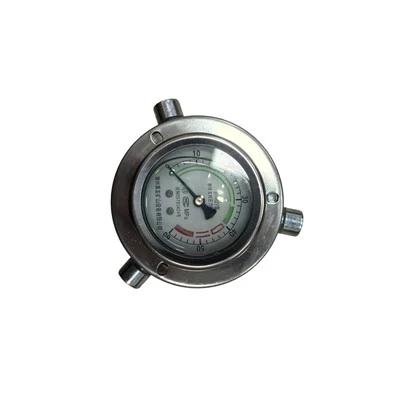
If you're in the mining industry, you might also be interested in some of our other testing equipment. We offer a Single Hydraulic Prop Pressure Tester which is used to test the pressure of single hydraulic props in coal mines. This helps ensure the safety and stability of the mine structure. We also have a Coal Mine Anchor Cable Tension Tester and a Coal Mine Rock Bolt Tension Tester. These devices are crucial for testing the tension of anchor cables and rock bolts in coal mines, which are essential for maintaining the integrity of the mine walls.
If you're interested in our Roof Delamination Detectors or any of our other testing equipment, don't hesitate to reach out. We're always happy to have a chat about your specific needs and how our products can help you. Whether you're a small roofing contractor or a large mining company, we've got the right solutions for you.
In conclusion, while the depth measurement of a Roof Delamination Detector can be quite accurate under ideal conditions, there are several factors that can affect its accuracy in real - world situations. By choosing a high - quality device, properly calibrating it, and training your operators, you can get the most accurate results possible. And if you need any more information or want to discuss a potential purchase, just let us know.
References
- Smith, J. (2018). "Advances in Roof Delamination Detection Technology". Journal of Construction Technology.
- Johnson, A. (2019). "Factors Affecting the Accuracy of Depth Measurement in Non - Destructive Testing Devices". Mining Science Review.