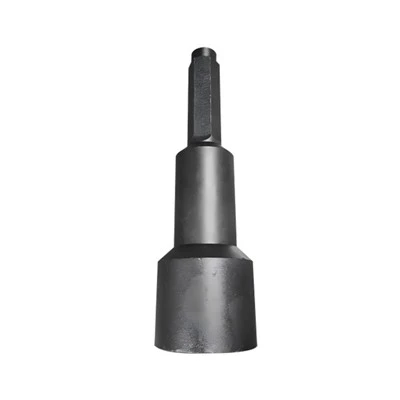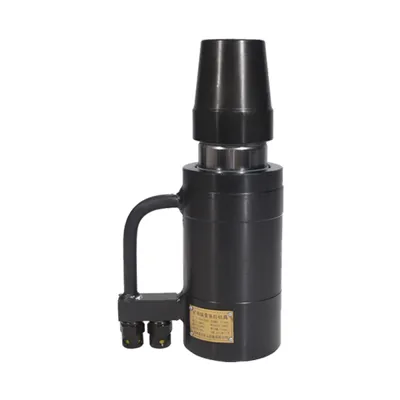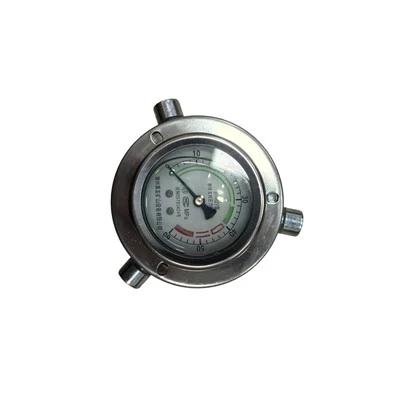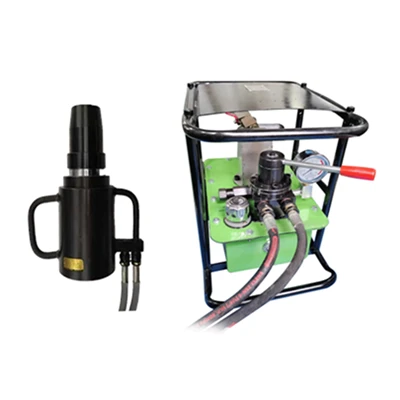
Hey there! As a supplier of anchor drilling machines, I often get asked about the noise levels of these powerful tools. It's a crucial aspect, especially when considering the working environment and the well - being of operators. So, let's dive right into what the noise levels of an anchor drilling machine are all about.
Understanding Noise Levels in Anchor Drilling Machines
First off, noise levels are measured in decibels (dB). The noise produced by an anchor drilling machine can vary depending on several factors. One of the main factors is the type of the drilling machine. For instance, a Rock Bolt Torque Multiplier has a different noise profile compared to a Pneumatic Impact Drill or a Pneumatic Roof Bolter.
A Rock Bolt Torque Multiplier is designed to apply high torque to rock bolts. When it's in operation, it usually generates a continuous, mechanical noise. The noise level of a typical Rock Bolt Torque Multiplier can range from 80 to 90 dB. This is relatively high, and it's important to note that prolonged exposure to noise at this level can cause hearing damage.
On the other hand, a Pneumatic Impact Drill works by delivering rapid impacts to the drilling surface. The nature of these impacts creates a sharp, intermittent noise. The noise level of a Pneumatic Impact Drill can be even higher, often reaching 90 - 100 dB. The sudden and intense noise can be quite startling, and it poses a significant risk to the operator's hearing if proper protection isn't worn.
A Pneumatic Roof Bolter is used for installing roof bolts in mines and other underground structures. It combines the functions of drilling and bolting. The noise level of a Pneumatic Roof Bolter is also in the high range, typically between 85 and 95 dB. The constant operation of the machine, along with the mechanical and pneumatic components working together, contributes to this high noise output.
Factors Affecting Noise Levels
There are several factors that can affect the noise levels of an anchor drilling machine.
Machine Design
The design of the machine plays a huge role. Machines with poorly designed components or loose parts can generate more noise. For example, if the gears in a Rock Bolt Torque Multiplier are not properly aligned, they can create extra vibrations and noise. A well - designed machine with high - quality parts and precise engineering will generally produce less noise.
Operating Conditions
The conditions under which the machine is operated also matter. Drilling in hard rock will require more power and force, which can lead to higher noise levels. If the machine is used in a confined space, the noise can bounce off the walls and become even more intense. Additionally, if the machine is not maintained properly, with dirty filters or worn - out parts, it can also increase the noise output.
Air Pressure (for Pneumatic Machines)
For pneumatic anchor drilling machines like the Pneumatic Impact Drill and Pneumatic Roof Bolter, the air pressure is a critical factor. Higher air pressure means more power, but it also results in louder noise. Operators need to find the right balance between the required power for the job and the acceptable noise level.
The Impact of Noise on Operators
The high noise levels of anchor drilling machines can have serious consequences for the operators.
Hearing Loss
The most obvious impact is hearing loss. Prolonged exposure to noise levels above 85 dB can cause permanent damage to the inner ear. This can lead to a gradual loss of hearing, which can affect an operator's ability to communicate and perform their job effectively.
Stress and Fatigue
High - level noise can also cause stress and fatigue. The constant noise can be mentally exhausting, making it difficult for operators to concentrate. This can increase the risk of accidents and errors on the job.
Communication Difficulties
In a noisy work environment, it can be extremely difficult for operators to communicate with each other. Misunderstandings due to poor communication can lead to safety hazards and inefficiencies in the work process.


Mitigating Noise Levels
As a supplier, we're aware of the importance of reducing the noise levels of our anchor drilling machines. Here are some ways to mitigate the noise:
Noise - Reducing Design
We invest in research and development to design machines with noise - reducing features. This includes using vibration - dampening materials and optimizing the layout of components to minimize noise generation.
Operator Training
We provide comprehensive training to operators on how to use the machines in a way that reduces noise. This includes proper maintenance, correct operating procedures, and the use of appropriate air pressure settings.
Personal Protective Equipment (PPE)
We recommend that operators wear PPE such as earplugs or earmuffs. These can significantly reduce the amount of noise reaching the ears and protect the operator's hearing.
Why Choose Our Anchor Drilling Machines
Our anchor drilling machines are designed with the latest technology to minimize noise levels without compromising on performance. We understand the importance of a safe and comfortable working environment for operators. Our machines are also built to be durable and reliable, which means less maintenance and fewer breakdowns.
If you're in the market for an anchor drilling machine, whether it's a Rock Bolt Torque Multiplier, a Pneumatic Impact Drill, or a Pneumatic Roof Bolter, we're here to help. We can provide you with detailed information about the noise levels of our machines and how they can meet your specific needs.
If you're interested in purchasing our anchor drilling machines or have any questions, feel free to reach out to us. We're always happy to have a chat and discuss your requirements. Let's work together to find the perfect anchor drilling machine for your project.
References
- OSHA (Occupational Safety and Health Administration) guidelines on noise exposure in the workplace.
- Industry reports on the design and performance of anchor drilling machines.