In the realm of construction, mining, and related industries, the hydraulic rock splitting gun stands as a remarkable piece of equipment. Its ability to split rocks and other hard materials efficiently makes it a valuable asset on many job sites. As a supplier of Hydraulic Rock Splitting Gun, I've witnessed firsthand the power and versatility of this tool. In this blog post, I'll delve into the fascinating process of how the hydraulic pressure in a hydraulic rock splitting gun builds up.
The Basics of Hydraulic Systems
Before we dive into the specifics of the hydraulic rock splitting gun, it's essential to understand the fundamentals of hydraulic systems. Hydraulic systems operate on the principle of Pascal's law, which states that when pressure is applied to a confined fluid, the pressure change is transmitted equally throughout the fluid. In a hydraulic system, a fluid, typically oil, is used to transfer force from one point to another.
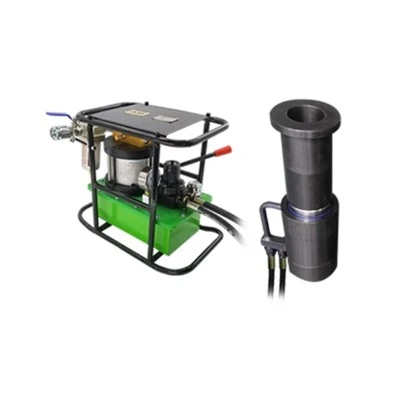
The basic components of a hydraulic system include a hydraulic pump, a reservoir, valves, and actuators. The hydraulic pump is responsible for creating the initial pressure by forcing the fluid into the system. The reservoir stores the fluid, and the valves control the flow and direction of the fluid. The actuators, such as cylinders or motors, convert the hydraulic energy into mechanical work.


Components of a Hydraulic Rock Splitting Gun
A hydraulic rock splitting gun consists of several key components that work together to generate and utilize hydraulic pressure. These components include:
- Hydraulic Pump: The hydraulic pump is the heart of the system. It is responsible for creating the initial pressure by drawing fluid from the reservoir and forcing it into the system. There are different types of hydraulic pumps, such as gear pumps, piston pumps, and vane pumps, each with its own advantages and applications.
- Hydraulic Cylinder: The hydraulic cylinder is the actuator that converts the hydraulic energy into mechanical force. It consists of a piston and a cylinder barrel. When the hydraulic fluid is forced into the cylinder, it pushes the piston, which in turn generates a linear force.
- Splitting Wedges: The splitting wedges are the components that actually split the rock. They are typically made of high-strength steel and are designed to fit into the pre-drilled holes in the rock. When the hydraulic pressure is applied, the wedges are forced apart, creating a splitting force that fractures the rock.
- Control Valves: The control valves are used to regulate the flow and direction of the hydraulic fluid. They allow the operator to control the operation of the hydraulic rock splitting gun, such as starting, stopping, and adjusting the pressure.
The Process of Building Hydraulic Pressure
Now that we understand the components of a hydraulic rock splitting gun, let's take a closer look at the process of building hydraulic pressure. The process can be divided into several steps:
- Fluid Intake: The hydraulic pump draws fluid from the reservoir through an intake line. The fluid is typically a high-quality hydraulic oil that is designed to provide lubrication and prevent wear and tear on the components.
- Pressure Generation: Once the fluid is drawn into the pump, the pump begins to generate pressure. The pump uses mechanical energy, usually from an electric motor or a diesel engine, to drive the pump mechanism. As the pump rotates, it creates a vacuum that draws the fluid into the pump chamber. The pump then compresses the fluid, increasing its pressure.
- Fluid Delivery: The high-pressure fluid is then delivered to the hydraulic cylinder through a delivery line. The delivery line is typically made of high-strength steel or rubber to withstand the high pressure.
- Piston Movement: When the high-pressure fluid enters the hydraulic cylinder, it pushes the piston. The piston is connected to the splitting wedges, and as the piston moves, it forces the wedges apart. The force generated by the piston is directly proportional to the pressure of the hydraulic fluid and the area of the piston.
- Rock Splitting: As the wedges are forced apart, they create a splitting force that fractures the rock. The splitting force is determined by the design of the wedges and the pressure of the hydraulic fluid. The higher the pressure, the greater the splitting force.
- Pressure Release: Once the rock is split, the control valves are used to release the pressure in the hydraulic system. This allows the piston to return to its original position, and the wedges to be removed from the rock.
Factors Affecting Hydraulic Pressure Build-Up
Several factors can affect the build-up of hydraulic pressure in a hydraulic rock splitting gun. These factors include:
- Pump Capacity: The capacity of the hydraulic pump determines the maximum pressure that can be generated. A larger pump capacity generally means a higher maximum pressure.
- Fluid Viscosity: The viscosity of the hydraulic fluid affects the flow rate and the pressure drop in the system. A higher viscosity fluid may require more energy to pump, but it can also provide better lubrication and sealing.
- System Leakage: Any leakage in the hydraulic system can reduce the pressure and affect the performance of the hydraulic rock splitting gun. It is important to regularly check for leaks and repair them promptly.
- Temperature: The temperature of the hydraulic fluid can affect its viscosity and performance. High temperatures can cause the fluid to thin out, reducing its lubrication and sealing properties. It is important to maintain the fluid temperature within the recommended range.
Applications of Hydraulic Rock Splitting Guns
Hydraulic rock splitting guns have a wide range of applications in various industries. Some of the common applications include:
- Mining: In the mining industry, hydraulic rock splitting guns are used to break up large rocks and ore. They are particularly useful in underground mining, where traditional blasting methods may not be suitable.
- Construction: In the construction industry, hydraulic rock splitting guns are used to break up concrete, rocks, and other hard materials. They are often used in demolition projects, foundation work, and tunneling.
- Quarrying: In the quarrying industry, hydraulic rock splitting guns are used to extract stone from quarries. They are a more environmentally friendly alternative to traditional blasting methods, as they produce less noise and dust.
- Landscaping: In the landscaping industry, hydraulic rock splitting guns are used to break up large rocks and boulders for landscaping projects. They are also used to create rock walls and other decorative features.
Conclusion
The hydraulic rock splitting gun is a powerful and versatile tool that relies on the build-up of hydraulic pressure to split rocks and other hard materials. By understanding the components and the process of building hydraulic pressure, operators can ensure the efficient and safe operation of the hydraulic rock splitting gun. As a supplier of Hydraulic Rock Splitting Gun, I'm committed to providing high-quality products and excellent customer service. If you're in the market for a hydraulic rock splitting gun or other related equipment, such as Nut Cutter or Mining Anchor Cable Cutter, please don't hesitate to contact us for more information and to discuss your specific needs. We look forward to working with you.
References
- Fluid Power Handbook, edited by the International Fluid Power Society
- Hydraulic Systems and Components, by John F. Douglas
- Principles of Hydraulic Engineering, by Robert L. Mays